
 Image 1 of 1
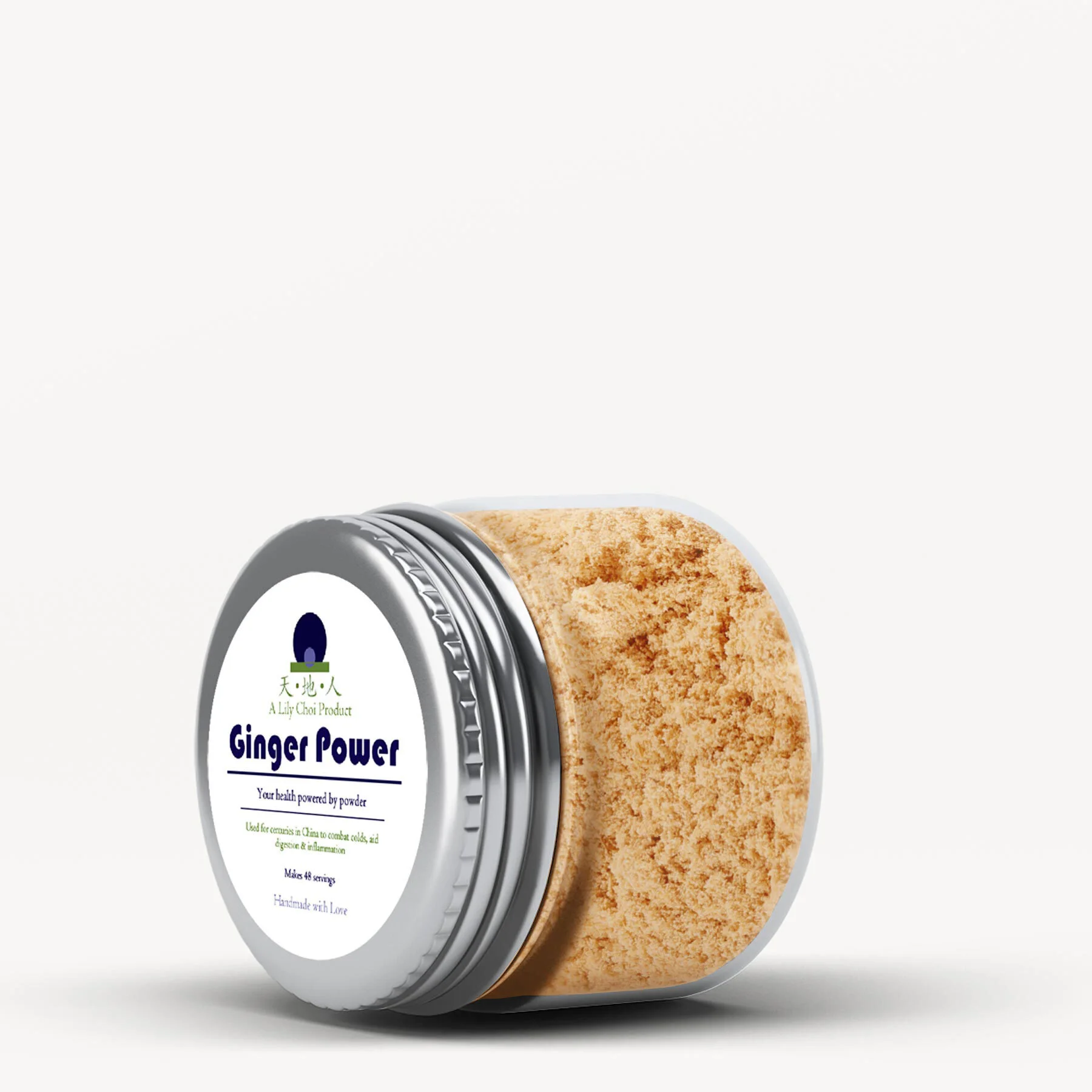
Directions: Ginger Power is extremely potent so although the suggested serving size is 1/2 tsp for one cup (8oz) of tea, if that’s too spicy or not spicy enough adjust accordingly. You can boil it in water or steep it in a cup of hot water. You can strain out the ginger or keep it in your cup.
Wildcrafted Ingredients: Organic dehydrated ginger.
For more detailed information and research, please refer to my journal post about the importance of ginger: Antiparasitic and Antimicrobial, Prevention and Treatment of Cancer, and the Prevention and Treatment of Hypertension and Related Diseases.
Expiration Date: 6 years
For those avoiding alcohol or breastfeeding, place drops in 1 oz of warm water for 5 - 10 minutes to evaporate the alcohol before consuming.
If you are taking prescribed medications, be sure to separate the sequence by one hour.
Consult your healthcare professional before using any supplements or herbal formulas particularly if you plan to become pregnant or are breastfeeding.
Do not use tinctures during pregnancy. Do not use tinctures if allergic to alcohol or any of the herbs.
Vegan, soy free, free of pesticides, free of chemical residues, non GMO.
*These statements have not been evaluated by the Food and Drug Administration. This product is not intended to diagnose, treat, cure, or prevent any disease.
Pairings
Reviews





Huangshan Tribute Chrysanthemum | 黄山贡菊
Grown in the misty mountains of Huangshan, where the unique climate and mineral-rich soil nurture exceptional quality. These treasured whole flowers brew into a clear, golden infusion with delicate floral notes, gentle bitterness, and a naturally sweet finish.
Rich in naturally occurring flavonoids and chlorogenic acid, compounds valued for their antioxidant properties.
Key Benefits
Traditional Chinese Medicine uses and potential wellness benefits
Clears Internal Heat — Traditionally used to cool excess Heat and disperse Wind-Heat.
Soothes & Brightens Eyes — Traditionally used to support tired, dry, and irritated eyes.
Calms Liver Yang — Traditionally used for patterns associated with headaches, dizziness, and irritability.
Supports Skin Wellness — Traditionally used in Heat-related patterns affecting the skin.
Supports Natural Balance — Traditionally used to clear Heat and support the body's normal processes.
Provides Antioxidants — Contains flavonoids and phenolic compounds studied for their antioxidant activity.
The TCM Perspective
Chrysanthemum (菊花, Ju Hua) has been treasured in Traditional Chinese Medicine for centuries for its ability to clear Heat, disperse Wind-Heat, calm the Liver, and brighten the eyes.
Nature: Slightly Cold
Flavor: Sweet and Bitter
Meridians: Liver and Lung
Traditional Functions:
Calms the Liver & Brightens the Eyes
Used for red, swollen, irritated, or dry eyes, as well as blurred vision, dizziness, and headaches associated with Liver Heat or rising Liver Yang.
Clears Heat & Supports Detoxification
In TCM, chrysanthemum is used to clear Heat and toxins, particularly in patterns involving sore throats, skin eruptions, and inflammation-like symptoms.
Disperses Wind-Heat
Used in herbal preparations for early Wind-Heat patterns, including fever, headaches, and sore throats.
Nourishes Everyday Wellness
Huangshan Tribute Chrysanthemum is particularly prized for its mild, sweet flavor and use in supporting the eyes. It is also traditionally associated with benefiting the Lung system.
Origin & Exceptional Quality
Origin: Jinzhuling, She County, Huangshan, Anhui Province, China
Huangshan Tribute Chrysanthemum, known as Gong Ju (贡菊), is celebrated for its delicate fragrance, beautiful golden infusion, and naturally sweet finish.
The mountainous growing environment, with its cool nights, misty conditions, and distinctive soil, contributes to the character of these prized blossoms.
The flowers naturally contain flavonoids and chlorogenic acid, plant compounds studied for their antioxidant properties.
History & Heritage
Huangshan Tribute Chrysanthemum is recognized as one of China's Four Great Medicinal Chrysanthemums, alongside Hang Ju, Chu Ju, and Bo Ju.
According to traditional accounts, chrysanthemum cultivation was introduced to the Huangshan region from Deqing, Zhejiang Province, during the Song Dynasty.
Local tradition also connects the flower's designation as a tribute chrysanthemum to a historical account of its use during an outbreak of eye disease in Beijing.
Today, Gong Ju remains treasured for its refined flavor, distinctive origin, and longstanding place in Chinese herbal culture.