*Detox and eliminate mold in the body; drain dampness; strengthen Stomach and Spleen to further help detox and prevent regrowth; clear H.pylori
Wildcrafted Wu Mei 烏梅(Fructus Mume) – Helps stabilize the intestines, reduce parasitic or fungal overgrowth, and support the digestive tract, which can be stressed by mycotoxins.
Bai Zhu 白术(Rhizoma Atractylodis Macrocephalae) – Strengthens the spleen and gut function, helps drain dampness, and supports immune resilience—key for clearing mold-related “damp toxins.”
Huo Xiang 藿香(Herba Agastaches/Pogostemonis) – Transforms dampness, supports digestion, and helps the body expel damp, musty pathogens associated with mold exposure.
Ku Sheng 苦参(Radix Sophorae Flavescentis) – Clears damp-heat, helps reduce fungal activity on the skin and internally, and provides antimicrobial support.
Huang Qin 黄芩(Radix Scutellariae) – Strongly clears heat and toxins, supports liver detox pathways, and has antifungal and anti-inflammatory properties.
Huang Bai 黄柏(Cortex Phellodendri) – Clears damp-heat from the lower body, helps address inflammation and microbial overgrowth often aggravated by mold toxins.
Ding Xiang 水丁湘(Herba Ludwegiae Prostratae) – Aromatic that warms the digestive system and provides natural antifungal activity—useful against mold-related yeast imbalances.
Fu Ling 土茯苓(Rhizoma Smilacis Glabrae) – Drains dampness, supports the spleen, and calms the system; helps the body eliminate excess fluid and byproducts from detox.
Zhi Gan Cao 炙甘草(Radix Glycyrrhizae) – Harmonizes the formula, soothes the digestive tract, and supports adrenal and immune function during detox.
Together, these herbs work synergistically to clear damp-heat, support the gut and liver, reduce fungal and microbial load, and strengthen the body's resilience so it can effectively eliminate mold toxins.

 Image 1 of 2
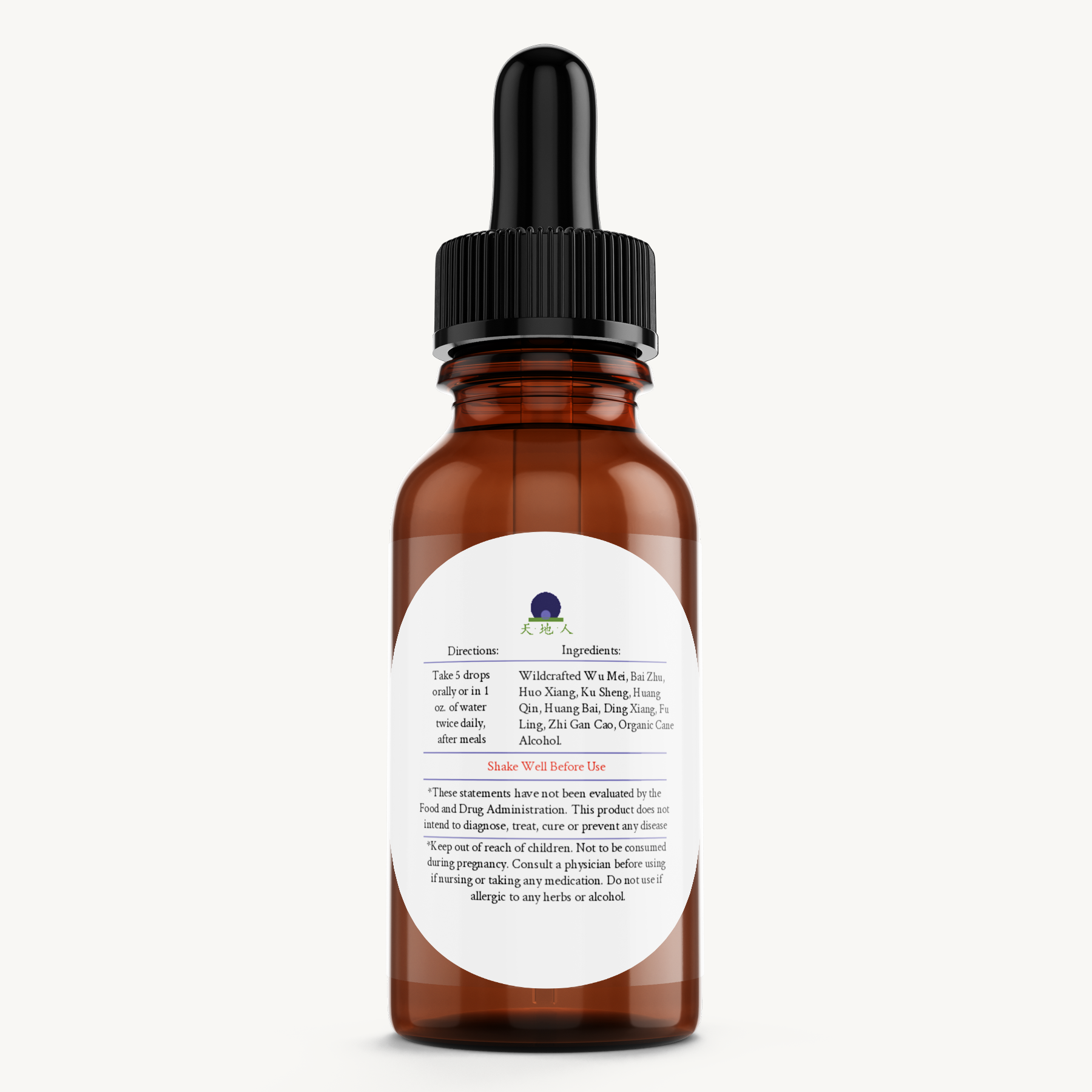 Image 2 of 2




Grown in the misty mountains of Huangshan, where the unique climate and mineral-rich soil nurture exceptional quality. Brews a clear, golden infusion with delicate floral notes, gentle bitterness, and a naturally sweet finish.
Key Benefits:
Detoxes the body
Clears internal heat
Supports skin health
Soothes and brightens eyes
Supports cardiovascular health
Calms Liver Yang rising symptoms such as headaches and stress
Rich in flavonoids & chlorogenic acid
Origin: Jinzhuling, She County, Huangshan
Historical Background:
Originally introduced from Deqing, Zhejiang Province, during the Song Dynasty. Along with Hangzhou chrysanthemum, Chuzhou chrysanthemum, and Bozhoua “tribute product” after reportedly curing an outbreak of conjunctivitis (red-eye disease) in Beijing, which is how it got its name. It is known as one of the Four Great Chrysanthemums of China.